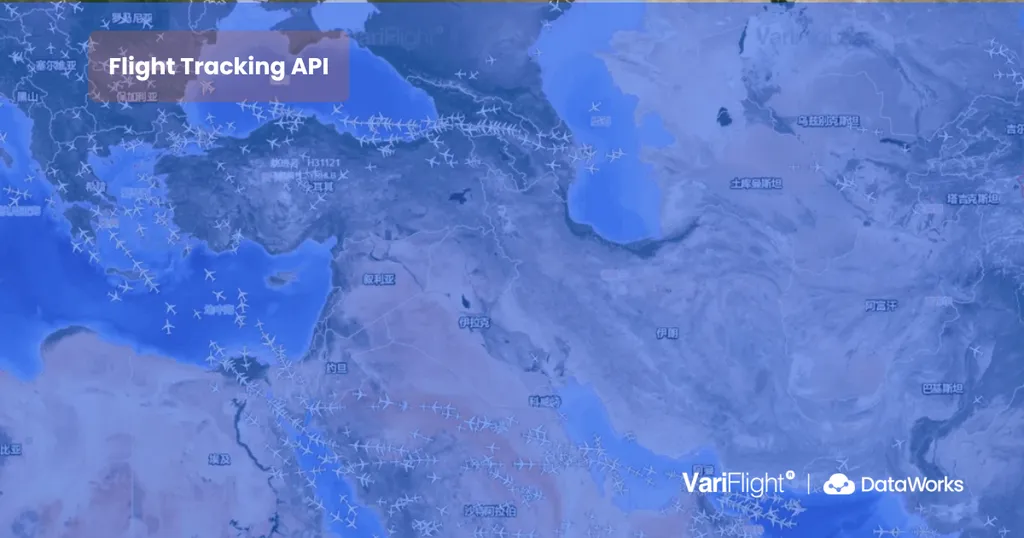
Airlines optimize routes more reliably when AI and operations teams can work from the same real-time flight data. A Flight Tracking API supplies aircraft position, flight status, route, historical movement, and event data; analytics and decision systems then use those inputs to identify route risk, fuel inefficiency, disruption patterns, and fleet-utilization opportunities.
Background: Smarter Routes for a Busier Sky
As global air traffic reaches record highs, airlines are under pressure. They must deal with crowded skies, unpredictable weather, and rising fuel prices. To stay competitive, airlines now focus on optimizing flight routes and using smarter dispatch systems.
Real-time flight tracking and data APIs are becoming essential tools. They help improve safety, reduce delays, and cut costs. Aviation authorities like IATA and national regulators are pushing for better tracking standards. Airlines are responding by going digital and upgrading how they operate.
What Is a Flight Tracking API—and What Can AI Do with Its Data?
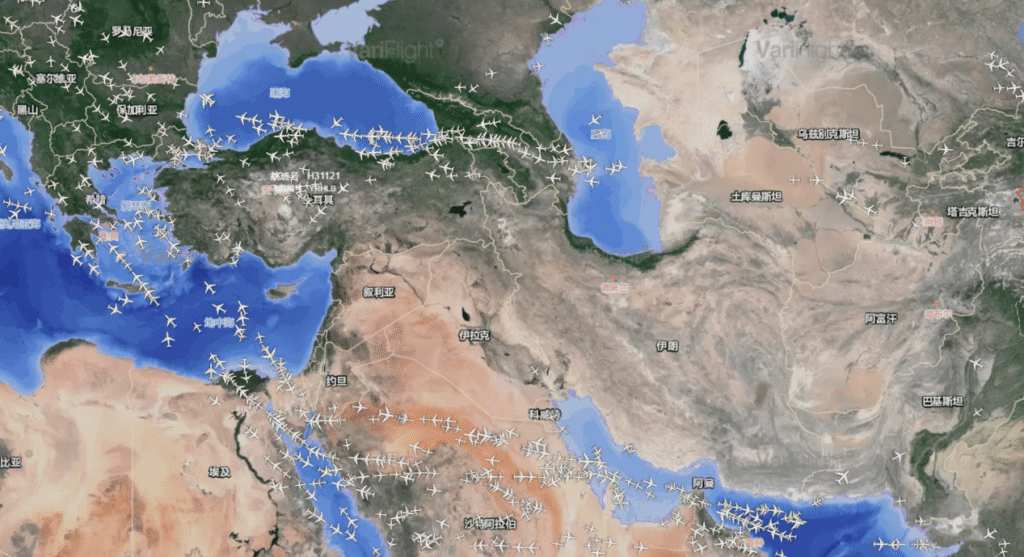
A Flight Tracking API provides real-time access to live aircraft locations, flight activity, and past flight paths worldwide. It plays a key role in helping airlines, airports, and aviation-related businesses run more efficiently, transparently, and safely.
How It Works
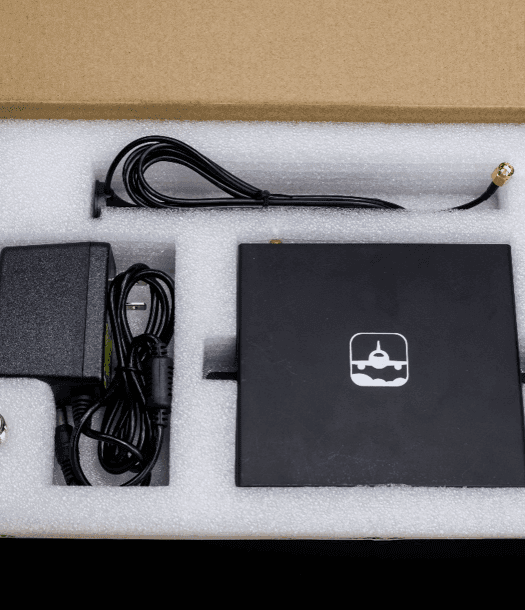
Modern aircraft regularly share their location, speed, and flight status through GPS signals using ADS-B technology. VariFlight tracks planes all over the world. It uses satellite signals, radar, and other data to cover even remote areas like oceans, deserts, and the polar regions.
Key Features
Real-time tracking of aircraft location and flight status
Historical records for route analysis, compliance checks, and research
Event monitoring, such as takeoffs, landings, diversions, and delays
Smart alerts for abnormal behavior or airspace violations
Geo-fencing and regional tracking for fleets or specific routes
These features are accessible via stable, easy-to-integrate APIs, supporting both high-frequency requests and asynchronous data pushes. Developers and system integrators can customize alerts, reports, and interfaces based on business needs.
Industry Use Cases
Flight Tracking APIs are widely used across the aviation value chain:
Airlines for operations, route optimization, and delay management
Lessors and asset managers for aircraft monitoring and valuation
Insurers for risk assessment
Regulators for safety and compliance auditing
Logistics, drones, and emergency services for flight situational awareness

How Flight Tracking APIs Improve Routes: Real Use Cases
a) Real-Time Monitoring and Route Adjustments
Airlines use flight tracking to monitor every flight live. When flights face weather problems or traffic in the sky, the system suggests faster or safer routes. Satellite-based tracking helps especially in remote areas like oceans or mountains, where radar can’t reach.
b) Case Study: Better Fleet Use with ADS-B
A global aircraft leasing company used VariFlight’s API to track all its planes. It saw how fuel use and performance changed in different regions. With this data, it gave airlines smart route suggestions, improved plane usage, and made more informed leasing decisions.
Use Case: Supporting Lease Redelivery and Compliance Validation
Beyond day-to-day route and utilization tracking, real-time and historical flight data also proves critical during lease redelivery, repossession, and contract compliance reviews — moments where visibility gaps carry direct financial risk. Common blind spots include:
- Incomplete or delayed identification of under-utilized or idle aircraft
- Difficulty verifying region- or route-specific operations against lease compliance terms
- Insufficient real-world flight data to support residual value and depreciation estimates
- Challenges validating lease terms during redelivery or repossession phases
To close these gaps, lessors and aviation consultants pull structured datasets covering flight frequency, cycles, block hours, and sector counts; route-level movement logs by tail number and registration; usage timelines and geo-mapped activity; and historical flight records used to resolve redelivery disputes. This data spans both widebody long-haul and regional narrowbody fleets, giving asset teams a consistent way to compare contracted assumptions against actual usage before an aircraft changes hands.
c) How AI Turns Flight Data into Operational Recommendations — AI
Business Value: Why It Matters
Keeps flights on time and saves fuel
Cuts maintenance and insurance costs
Helps manage aircraft better
Supports better service for passengers and partners
Used daily by hundreds of airlines, leasing firms, and finance partners
Lessor Risk Management: Industry-Scale Context
For aircraft lessors specifically, real-time tracking data plays an even bigger role in credit and risk management than in day-to-day route optimization. According to IATA, leasing companies now hold over 50% of the global commercial fleet, and Statista projects the global commercial fleet will surpass 39,000 units by 2033 — meaning the volume of leased assets requiring continuous oversight is only growing.
Beyond route optimization, lessors use real-time monitoring to:
- Flag aircraft entering restricted or high-risk airspace, or sitting in extended parking, as early-warning signals for credit and asset-valuation risk
- Cross-reference lessee operating behavior against payment default and credit risk profiles
- Replace slow, inconsistent lessee-submitted reports with continuous, structured operational data for technical and financial analysis
This shift from static, self-reported monitoring to dynamic, API-driven tracking is already used by 10+ top-tier financial leasing organizations globally, including institutions like ICBC Leasing, to support faster risk response and more defensible asset valuations.
Tech Trends & Data Compliance
VariFlight’s system covers nearly all major skies. It’s always improving with new data sources for better accuracy. It also meets international rules (GDPR, FAA, ICAO, EASA) to keep flight data safe and legal.
Final Thoughts: Powering the Future of Aviation. Flight tracking APIs are now a must-have for any modern airline. They power real-time flight updates, smarter route choices, and better asset management. With AI, the future of aviation is faster, safer, and more efficient.
Want to try it out? Get a free 14-day trial of the VariFlight Flight Tracking API. Need custom features? Contact our team for a demo and consultation.