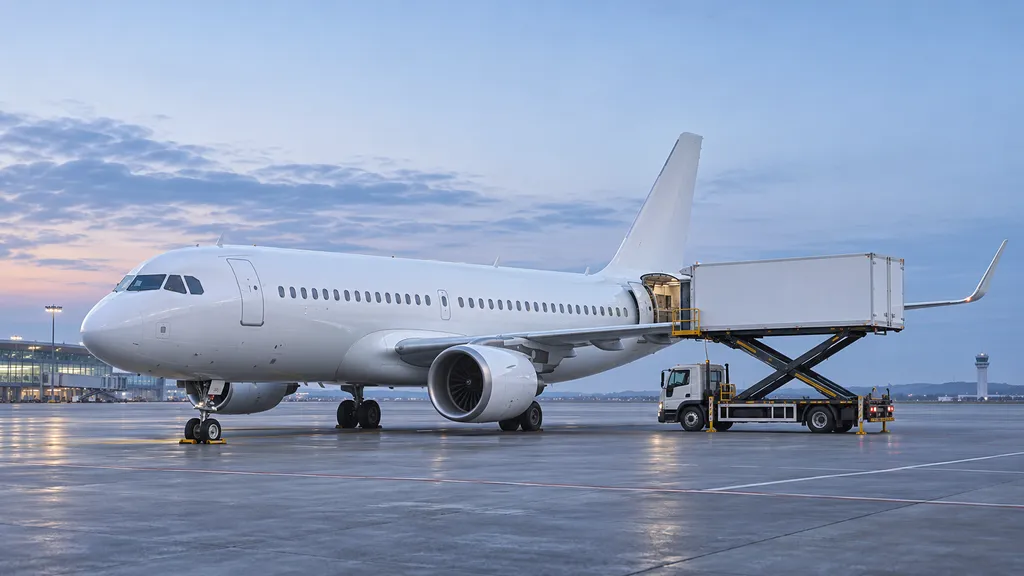
Airline catering systems can respond to flight changes by integrating flight status data into their existing order and delivery workflows. When a flight is delayed, cancelled, assigned a different aircraft or moved to another stand, the system can identify the affected catering task and flag it for review.
Flight status APIs supply the dated flight record and available updates. The airline or caterer retains control of meal quantities, production cutoffs and delivery decisions. This article explains which data can be connected, what a customer system can do with it, and how to test that connection before deployment.
Why Do Flight Changes Matter for Airline Catering Operations?
The VariFlight (Feiyou Technology) Civil Aviation Weekly Report for November 9-15, 2026 recorded a 6.8% departure-delay rate for mainland Chinese airlines, one percentage point higher than the previous week. This is a one-week, market-specific indicator, not a measure of catering disruption or a forecast. It shows that changes to flight operations are a practical input to plan for, not how often catering tasks need to change.
A meal order and a flight record describe different things. The order may identify meals, quantities, a production cutoff and a delivery task. A flight record identifies the dated service and its available operating information: planned and estimated departure times, status, aircraft and airport context.
Once an order enters production, the caterer needs to know which task a flight change affects. The update cannot show whether meals are already prepared or a truck is en route. Those facts remain in the customer’s systems.
IATA’s Digital & Data Think Tank white paper discusses catering cutoffs, passenger forecasts and aircraft changes. Those inputs come from different systems; flight status alone cannot determine meal demand.
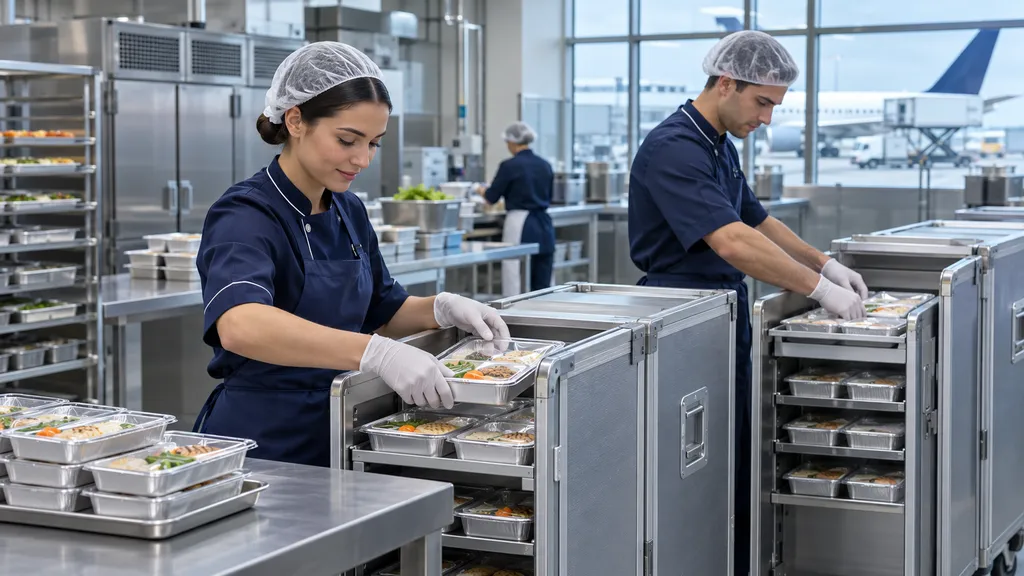
Why Integrate Flight Status Data into Airline Catering Software?
Connecting flight updates to a catering task can make changes visible in the system operators already use.
| Potential value | What the integration can make possible |
|---|---|
| Earlier exception detection | Flag a matched order when a supported delay, cancellation or other flight change is received, instead of waiting for a separate manual check. |
| Better operational visibility | Show the current recorded status and available departure or airport fields beside the order and its own cutoff. |
| Fewer routine flight lookups | Let operators focus manual checks on exceptions, subject to data coverage and the customer’s workflow. |
These are possible benefits, not measured DataWorks customer results. They depend on update availability and accurate matching.
Which Flight Data Fields Support Catering Operations?
The first integration problem is matching an order to the correct flight segment. A flight number alone can recur on different dates, and a codeshare number may differ from the flight that actually operates. A catering platform should use its own order key together with the flight date, departure airport and route, then examine the operating-flight relationship when available.
The VariFlight DataWorks Flight Status Query API documentation lists these relevant fields:
| Catering-system check | Documented flight fields | Interpretation |
|---|---|---|
| Match the service | FlightNo, FlightDepcode, FlightArrcode, flight date in the query, and ShareFlightNo when available | Identify the dated segment and check codeshare relationships. |
| Watch departure timing | FlightDeptimePlanDate, FlightDeptimeReadyDate, FlightState | Keep scheduled time, current estimate and status separate. |
| Check delivery location | FlightHTerminal, DepStandGate when available | Flag a location for customer verification; do not treat it as a confirmed catering handoff point. |
| Check aircraft context | ftype, ChangePlane when available | Prompt a check against customer-owned loading specifications. |
| Reconcile after departure | FlightDeptimeDate, FlightOutgateTime when available | Record the actual departure and off-block milestones; these are not pre-departure instructions. |
Field availability can vary by flight and account permission. The API’s Food field is a broad meal or service category code. It is not a menu, a meal order, a special-meal request or a count of passengers to cater for.
For the distinction between scheduled, estimated and actual time fields, see What Is Flight Status Data?.
How Should Catering Systems Handle Flight Changes?
A useful response is an exception for review, not an automatic change to the meal order. The catering platform can attach the new flight information to the matched task and apply rules agreed with its customer. The resulting decision depends on the order’s stage, the caterer’s cutoffs and local operating procedures.
| Flight update | Possible customer-system response | Decision that flight data cannot make |
|---|---|---|
| Estimated departure moves later | Flag the task and show the revised estimate beside the original plan. | Whether cooking, packing or truck departure should be postponed. |
| Flight is cancelled | Send the matched order to the customer’s cancellation review queue. | Whether prepared meals can be reused, stored or must be discarded. |
| Aircraft changes | Prompt a check against the customer’s aircraft-specific loading rules. | Whether the galley, carts or meal quantities are compatible. |
| Departure stand changes | Show the available new stand information to the delivery team for confirmation. | Whether a vehicle should immediately change route or loading point. |
In a hypothetical workflow, an estimated departure changes after a dated catering order is confirmed. The software flags that order and displays the new estimate. An operator checks its production stage before deciding whether to alter the handoff. This is not a documented DataWorks customer result.

How Can Flight Status APIs Be Integrated into Catering Software?
One design is to query a flight when the catering task is created, then keep that task associated with the correct dated flight. The customer can query again when an operator opens the task or use a subscription for changes to monitored flights. The VariFlight DataWorks Flight Status Subscription and Push API documents flight subscriptions and HTTP POST updates after a subscribed flight’s data changes.
Receiving an update is only the start of the customer’s workflow. The integration needs to check that it belongs to the correct order and handle repeated or delayed messages. If message order is uncertain, the customer can reconcile against a fresh query before overwriting its local record. An empty field should be shown as unavailable rather than turned into an invented stand or time. The push documentation states that delivered fields depend on account permissions and that enabled fields without data may be empty.
How Should Catering Software Providers Evaluate Flight Data?
A useful pilot starts with the flights and airports a caterer actually serves. Include normal departures, delays, cancellations, codeshares, aircraft changes, stand changes and records with missing optional fields. Match each returned flight to the customer’s own order and ask operators whether the information arrives at a useful point in their workflow.
The customer can measure order-to-flight match rate, availability of required fields, time from a recorded flight change to an operator-visible update, and how often an exception needs manual correction. Those are customer-side evaluation measures, not performance results or guarantees supplied by DataWorks. Tests should also cover changes after the production cutoff, when a notification may be informative but no longer actionable.
The pilot should end with a field-level decision: which updates the customer can use, which require human confirmation, and which should remain unavailable in the order interface. Contracted coverage, field permissions and delivery details should be confirmed for the target operation.
Frequently Asked Questions
Does flight-status data include meal counts or special-meal orders?
No. A flight-status record describes the flight operation. Meal quantities, menus, special meals, passenger counts and order changes must come from the airline or caterer’s systems.
How should a catering order be matched to a codeshare flight?
Use the flight date and departure airport with the order’s flight identifier, then check the marketing and operating-flight relationship where available. The customer should verify which identifier its order system uses.
Does a cancellation update mean the catering order is automatically cancelled?
No. The flight update can flag the order for review. What happens to prepared food, vehicles and the commercial order depends on the customer’s rules and agreements.
Evaluate Flight Status Data for Your Catering Platform
Request a 14-Day Flight Status Data Trial to test flight matching, operational updates and field availability for the airports and routes your catering platform serves. VariFlight DataWorks provides the aviation data; your team evaluates how it fits its own order and delivery workflow.
References
- VariFlight (Feiyou Technology), Civil Aviation Weekly Report, November 9-15, 2026, page 6. The reported departure-delay rate covers mainland Chinese airlines; the report does not quantify catering outcomes.
- VariFlight DataWorks Flight Status Query API documentation
- VariFlight DataWorks Flight Status Subscription and Push API documentation
- IATA, Digital & Data Think Tank white paper